
Fit for Space
Aerobic capacity falls without gravity to work against, so crews train every day to hold on to it. With commercial spaceflight, a growing number of people need that capacity measured before they fly, tracked while they are up, and checked when they return.
Why crews have to be fit, and stay fit
Spaceflight takes away the load the human body is built around. With no gravity to work against, aerobic capacity and muscle mass both decline, which is why exercise is a scheduled part of every crew day rather than a personal habit. In orbit, fitness decides what work someone can physically do, how much margin they have when something goes wrong, and how quickly they re-adapt to gravity on the way home.
Until recently that was a question about a small and heavily screened group of career astronauts. Commercial spaceflight is changing both the size and the make-up of that group. More people are flying, across a wider range of ages and medical histories.
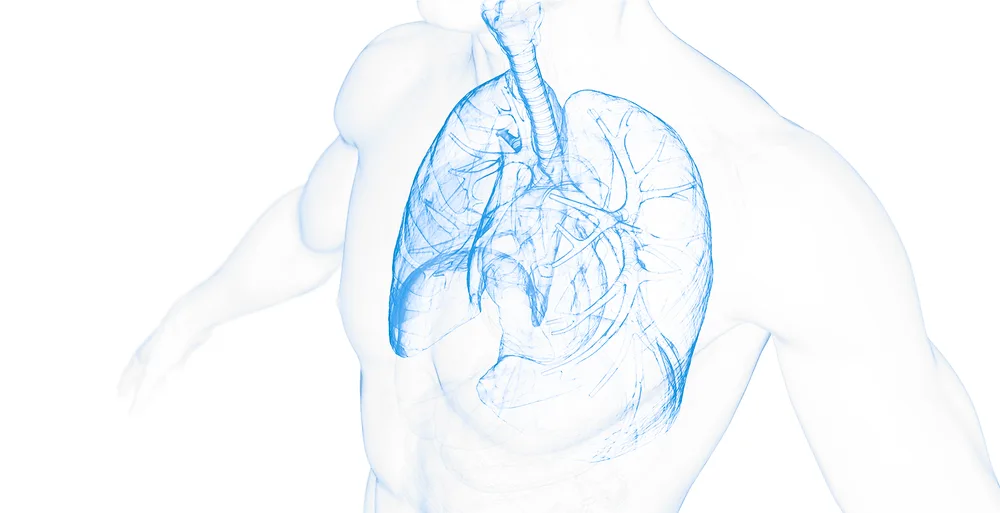
VO2max is the best-evidenced measure of aerobic capacity, and the standard way to obtain it is to take someone to exhaustion. In a spacecraft, crew time is the scarcest resource on the vehicle, and an all-out effort with the associated recovery is not something you want to spend time on.
Ongoing project with ESA
We are working with the European Space Agency on obtaining the metrics that used to require a maximal test, VO2max above all, from data that does not demand one. The project is in progress and we are not publishing results here.
The question
Whether the relationship between sub-maximal gas exchange, heart rate and muscle oxygenation carries enough information to establish aerobic capacity without going to exhaustion.
Why our platform suits it
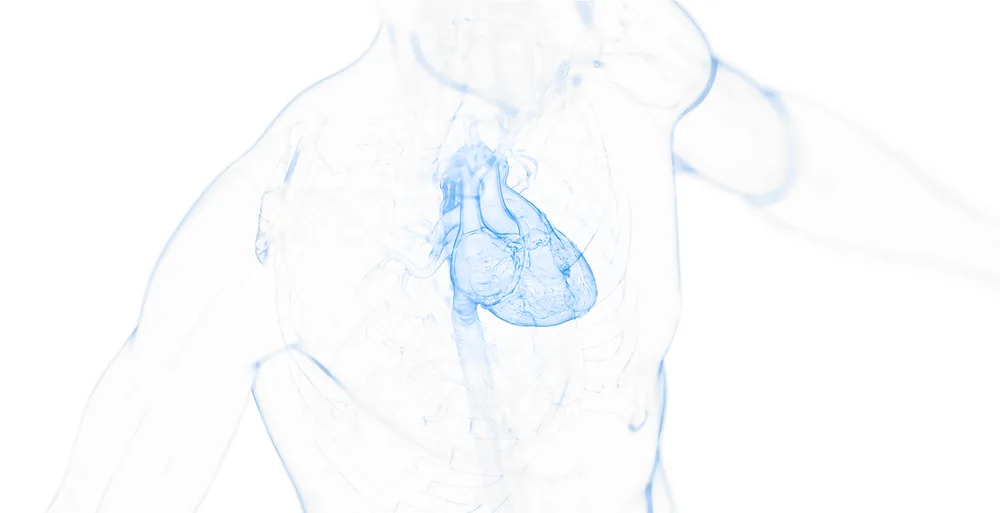
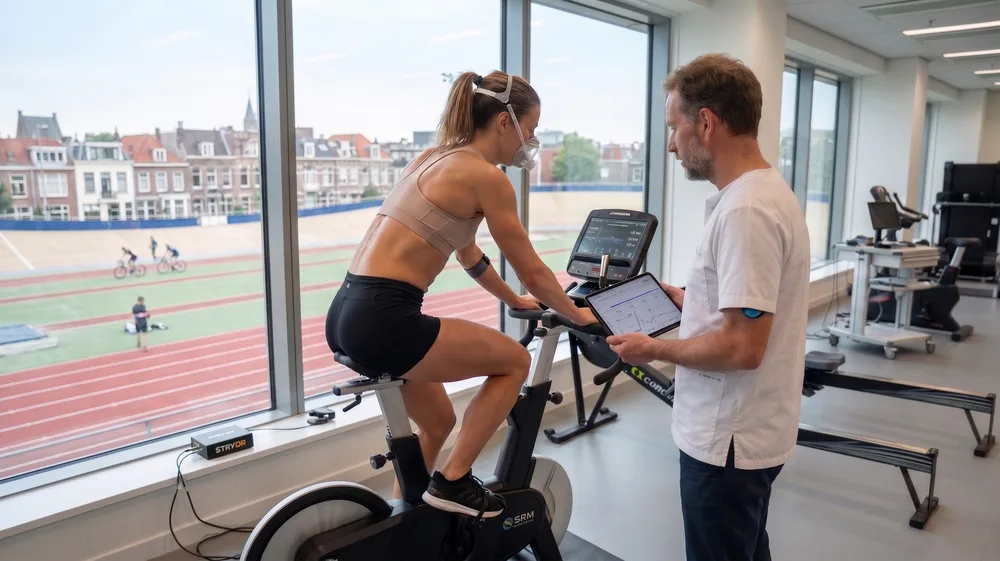
Measuring gas exchange, cardiovascular response and muscle oxygen extraction simultaneously, on portable sensors, produces exactly the multi-signal data set this question needs.
Designed for constrained environments
The properties that make an assessment viable on a vehicle are the same ones that make it viable in a fire station or a clinic without a lab.
No fixed installation
Wireless, wearable sensors and an iPad. Nothing bolted down, no cart, no dedicated room, no power outlet during the assessment.
Low mass and volume
A set of body-worn sensors and a tablet, against a metabolic cart. The step-test protocol adds no equipment at all.
Flexible protocols
Adapted to the constraints of the environment, the subject, and the time available.
Repeatable by a non-specialist
Guided sensor setup and fixed protocols mean the same assessment can be run consistently by whoever is on hand, without a physiologist present.
Working on something similar?
If you are researching aerobic capacity under constraints, we would like to hear what you need to measure.
SplendoHealth
Guided from setup to report
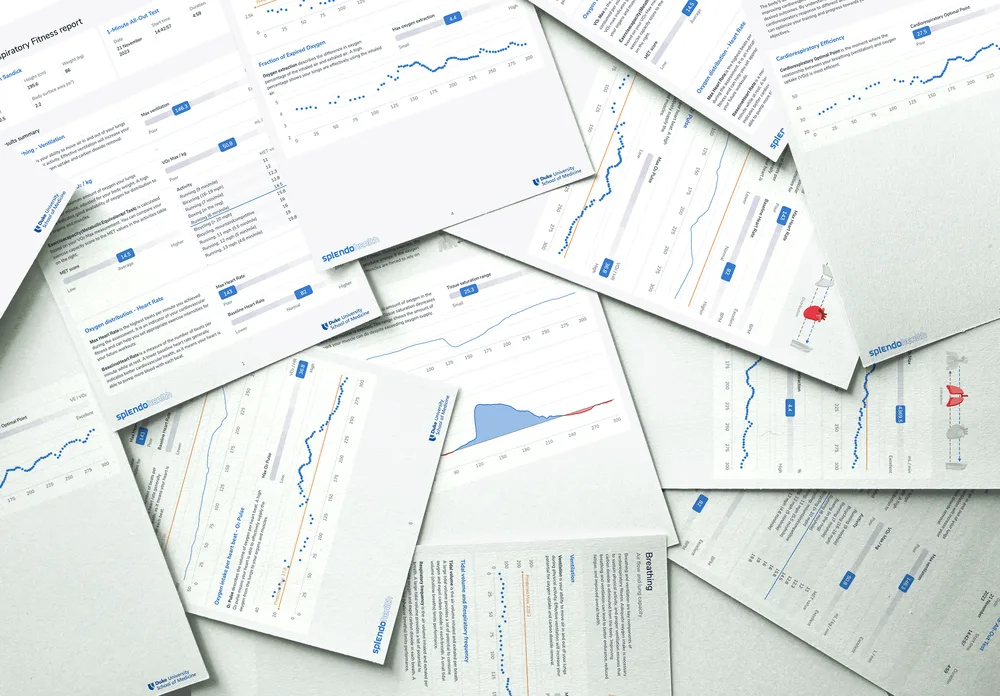
SplendoMonitor connects over Bluetooth to metabolic analyzers, heart rate and tissue saturation sensors, and ergometers from different manufacturers, then stitches their signals into a single assessment with one timeline and one report.
SplendoMonitor is a Cardiorespiratory & Metabolic fitness assessment tool. It is not a certified medical device and is not intended for diagnosing, treating, or monitoring medical conditions. This page describes a research collaboration in progress. It is not a claim that SplendoMonitor currently predicts VO2max from sub-maximal data.