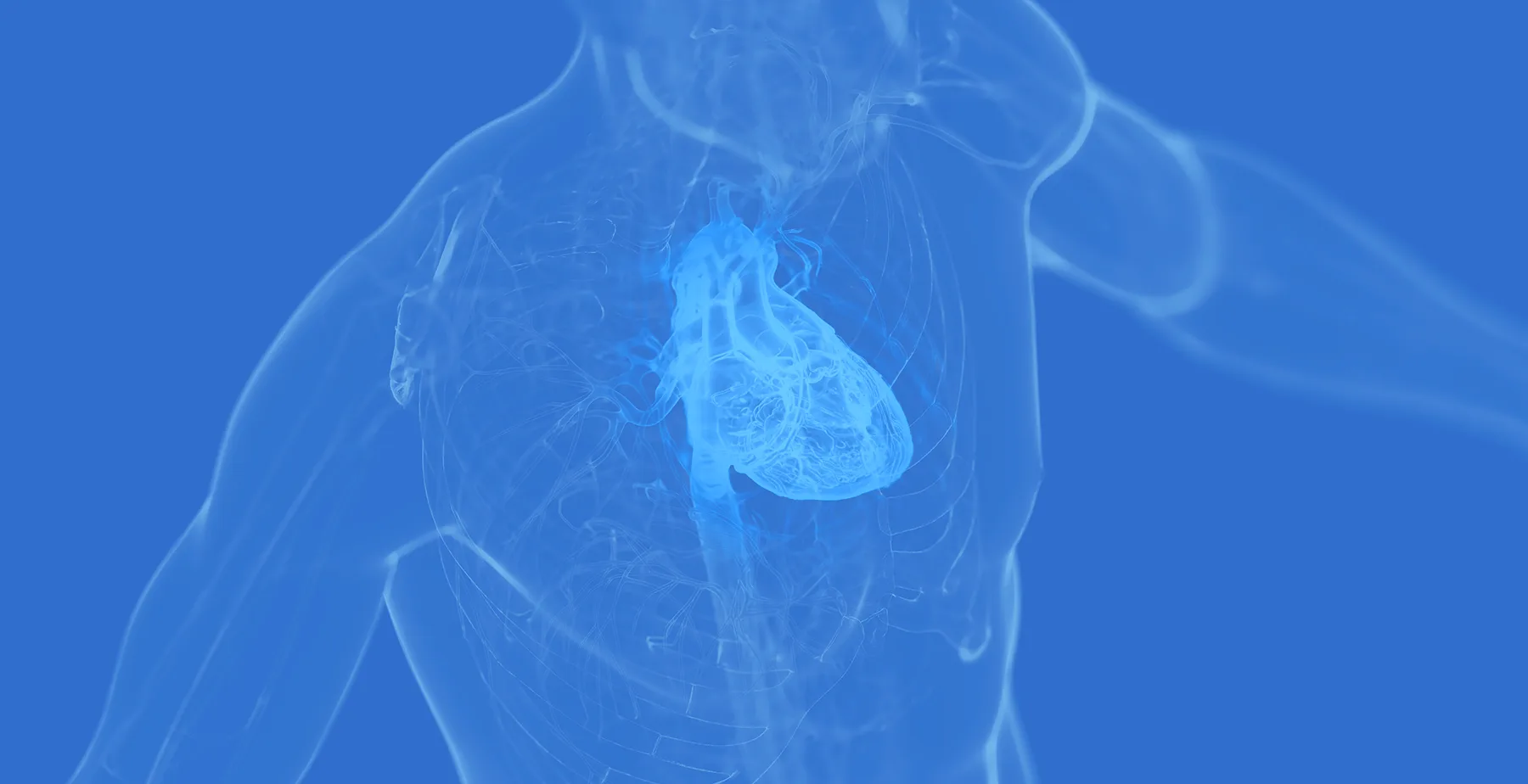
The body's energy system
The oxygen cycle explains how much oxygen reaches the muscle. The energy system is the other half of the same breath: what the muscle burns with that oxygen, and how the carbon dioxide coming back tells you which fuel it was.
Two questions in one breath
A metabolic analyzer reads two gases, not one. The oxygen consumed answers the delivery question: how much of it the body can take in, move and use, which is what VO2max reports. The carbon dioxide produced answers a different question entirely: what was burned to produce it.
That second answer matters because fat and carbohydrate are not interchangeable. They release energy at different rates, they are stored in wildly different quantities, and the balance between them shifts as intensity rises. Two people with identical aerobic capacity can run on quite different fuel at the same work rate.
None of this is inferred from heart rate or a population table. It follows arithmetically from the two gases, measured breath by breath, the method known as indirect calorimetry.
From food to a number on a report
Fuel takes a longer route than oxygen. It is eaten, broken down, circulated, stored, mobilized again when work begins, and only then burned. That is why the interesting question is rarely what someone ate, but what their body reaches for under load.
Intake
Fuel enters as food: carbohydrate, fat and protein. Nothing about this stage is measured by an assessment; it is the input the rest of the system works on.
Absorption
Digestion breaks that food down into glucose and fatty acids, which cross the gut wall into the bloodstream.
Circulating fuel
Glucose and fatty acids travel in the blood, available to any tissue that needs them right now.
Storage
What is not used immediately is stored: glucose as glycogen in muscle and liver, fatty acids as body fat. Glycogen is the fast, limited store; fat is the slow, effectively unlimited one.
Mobilization under load
When work starts, the body draws on both stores at once. The mix is not fixed. It shifts with intensity, and where it shifts is individual.
Oxidation in the mitochondria
Inside the cell, fuel is combined with the oxygen delivered by the oxygen cycle to release usable energy. This is the point where the oxygen cycle and the energy system are the same event seen from two sides.
Carbon dioxide and heat out
Oxidation produces carbon dioxide, water and heat. The carbon dioxide leaves on the breath, which is precisely why the breath can be read.
The readout
Burning fat and burning carbohydrate consume oxygen and produce carbon dioxide in different ratios. Measure both gases and the ratio between them tells you which fuel is being used, and how much energy that represents.
What moves, and why it is worth measuring
The fuel mix is not a fixed trait. It moves with intensity, with training, and with what someone has eaten, which is what makes it something a program can actually change.
The crossover
At low intensity most energy comes from fat. As intensity rises, carbohydrate takes over. The point where they swap is individual, and it is measurable rather than assumable.
FatMax
Below the crossover there is an intensity at which fat oxidation peaks in absolute terms. It is a real number for this person, not a percentage borrowed from a table.
Metabolic flexibility
How readily someone switches between fuels. A body that mobilizes fat efficiently spares its limited glycogen for the work that genuinely needs it.
Energy expenditure
The same gases give the energy cost of the work, and at rest the cost of simply being alive, the baseline that makes every number measured under load interpretable.
Which assessment reads which part
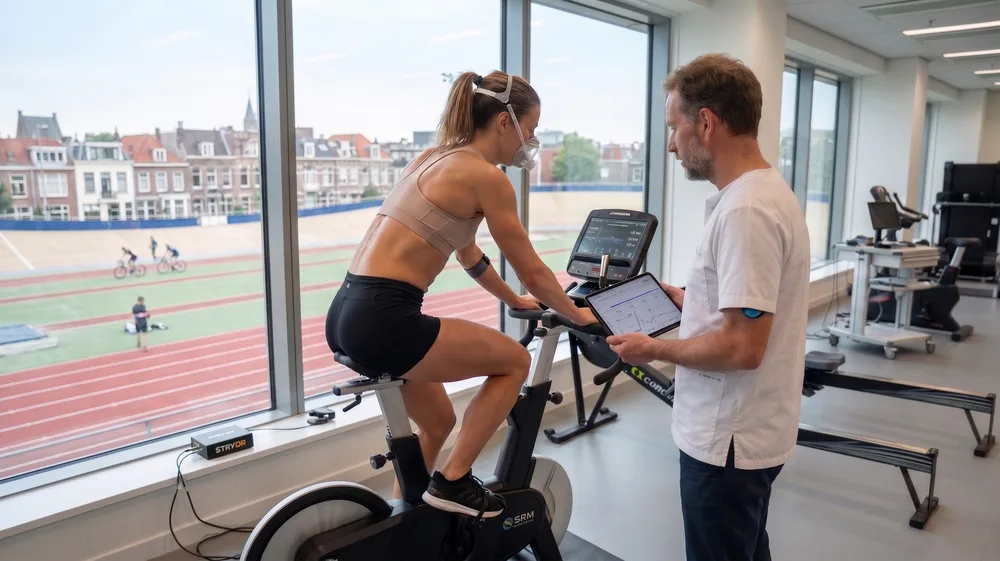
All of it comes from the same sensor, a metabolic analyzer on a mask, and what changes is the protocol. A resting test gives the baseline; a sub-maximal ramp walks the subject up through the intensity range so the fuel mix can be tracked as it shifts.
Because a ramp can stop short of maximal effort, this half of the picture is available from people an all-out test does not suit, and it can be repeated often enough to show whether an intervention did anything.
| Property | What is measured | How it is obtained |
|---|---|---|
| Energy expenditure at rest | Oxygen consumed and carbon dioxide produced while the subject sits still | Resting metabolism: a resting test, no exercise at all |
| Fuel mix under load | The ratio between carbon dioxide produced and oxygen consumed, across rising intensity | Metabolic profile: a sub-maximal ramp test |
| FatMax and the crossover | The intensity at which fat oxidation peaks, and where carbohydrate takes over | Metabolic profile: derived from the same ramp |
| Energy cost of a given work rate | Gas exchange alongside the power the subject is producing | Any protocol run on an ergometer the app reads or controls |
Measure the fuel, not just the ceiling
See what resting metabolism and a metabolic profile look like for your own subjects.
SplendoHealth
Guided from setup to report
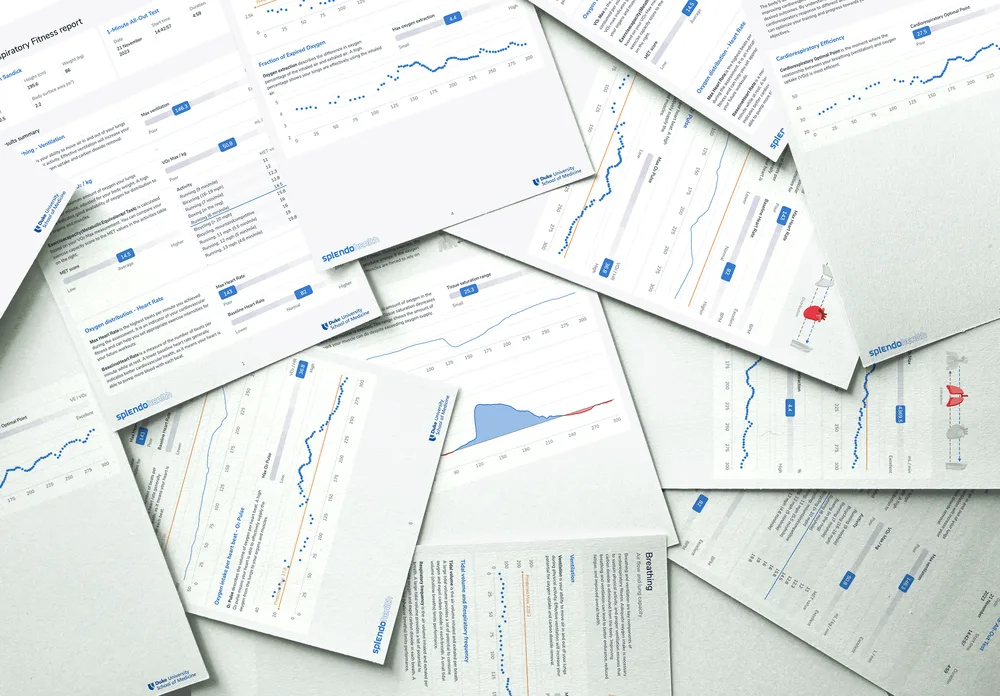
SplendoMonitor connects over Bluetooth to metabolic analyzers, heart rate and tissue saturation sensors, and ergometers from different manufacturers, then stitches their signals into a single assessment with one timeline and one report.
SplendoMonitor is a Cardiorespiratory & Metabolic fitness assessment tool. It is not a certified medical device and is not intended for diagnosing, treating, or monitoring medical conditions.